
Sustainability
Introduction
At our early years settings, sustainability is central to all our activities. By instilling a sense of environmental responsibility in children from a young age, we cultivate curious, compassionate, and eco-conscious individuals. Each setting has designated sustainability leads who promote, guide, and advise on sustainable practices.
These dedicated team members collaborate closely with staff, children, and families to ensure our sustainability objectives are achieved and continually enhanced. They play an essential role in weaving sustainable practices into every facet of our daily routines, encompassing educational activities and resource management. By setting an example, they motivate others to embrace eco-friendly habits and nurture a culture of environmental stewardship within our community.
1. Educational Activities
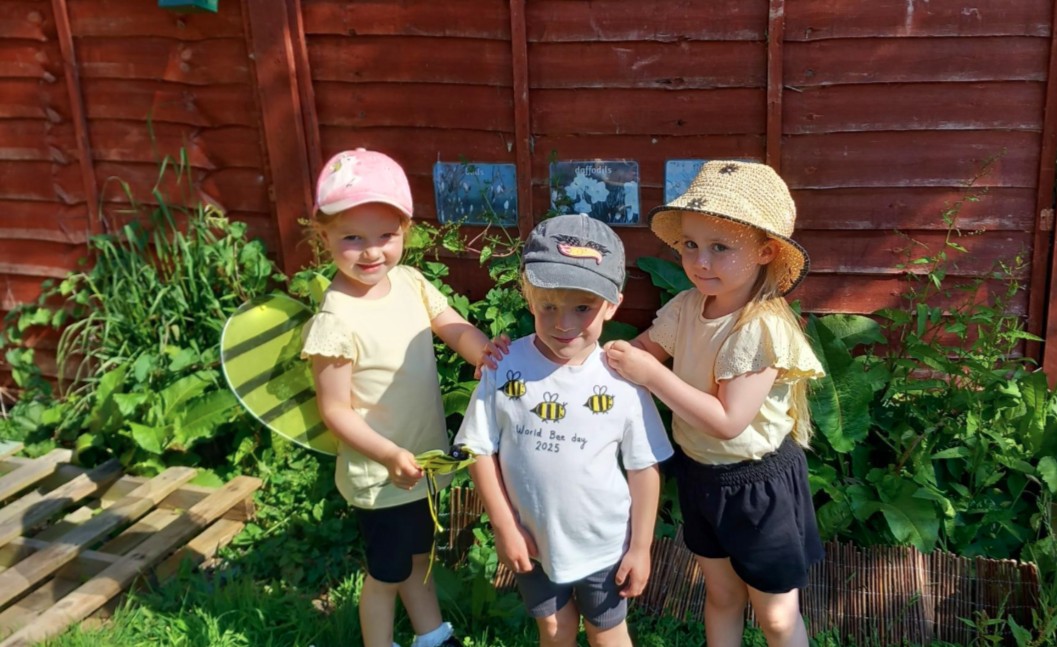
Nature-Based Learning
Outdoor Learning
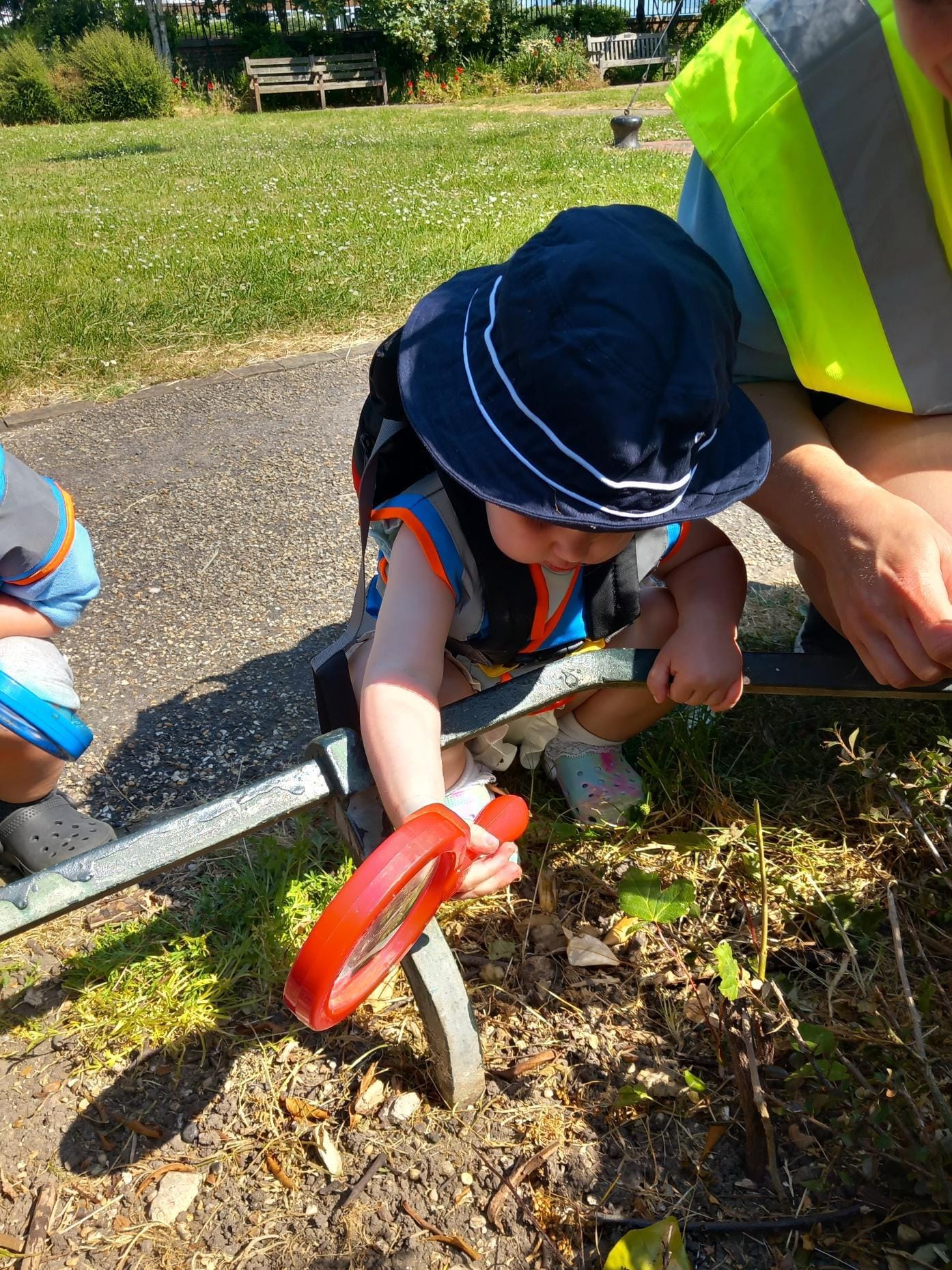
Our nursery operates a free-flow system that allows children to explore the natural world daily. Children have regular opportunities to explore their natural environment freely, developing curiosity, confidence, and a sense of responsibility for the world around them. We enjoy local walks and benefit from a rich outdoor environment, including a creek and spacious allotments.
Gardening & Food Awareness
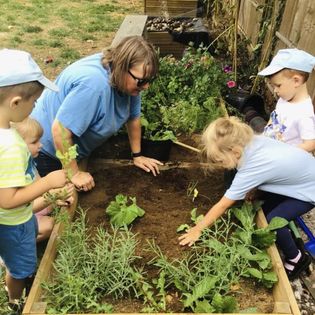
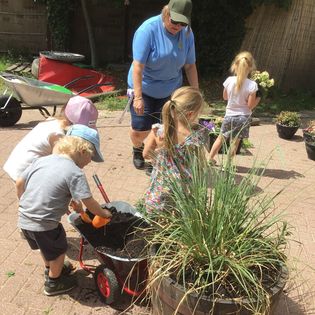
Children learn about where their food comes from through hands-on gardening activities. We maintain a vegetable and herb patch that the children help to plant, grow, water, harvest, and use in daily routines. This helps children understand food systems, healthy eating, and sustainability.
We also aim to provide opportunities for children to visit farms and other food sources where possible, giving them real-life experiences of food production.
Rainwater & Composting
Children experience sustainability in action through our compost area, where food waste is recycled into soil for our gardens. We also introduce children to rainwater harvesting systems, helping them understand water conservation and how natural resources can be reused.
Storytelling & Biodiversity
Eco-Themed Story Time
We use stories, role play, and activities to highlight biodiversity, sustainability, and caring for the planet. These experiences encourage children to think about wildlife, climate change, and their role in protecting the environment.
Wildlife Care
Children have regular opportunities to care for wildlife through bird feeders, bug hotels, butterfly-friendly plants, and nature observation. This builds empathy and awareness of living things.
2. Resource Management
Waste Reduction
Recycling Programme
Children are supported to put paper and plastic into the correct recycling bins and learn why recycling is important. Clear signage and adult guidance help reinforce these habits.
We also:
-
Use compost bins and food waste bins for food waste.
-
Encourage upcycling through creative activities.
-
We replaced paper towels with reusable alternatives such as Cheeky Wipes.
Energy & Water Conservation
Energy Awareness
Children and staff learn simple routines such as:
-
Turning off lights and devices.
-
Using natural light wherever possible.
-
Understanding why saving energy matters.
Water Awareness
Children are supported to turn off taps properly and use water responsibly. Rainwater collection is used where possible for watering plants.
3. Sustainable Environment
Natural Resources
We aim to use wooden and natural resources rather than plastic wherever possible. This reduces waste and provides a more sensory, environmentally friendly learning experience.
Caring for Our Space
Children help to maintain their environment by:
-
Gardening and watering plants.
-
Keeping outdoor areas tidy.
-
Looking after shared resources.
This encourages pride, responsibility, and teamwork.
4. Community Involvement
Local Engagement
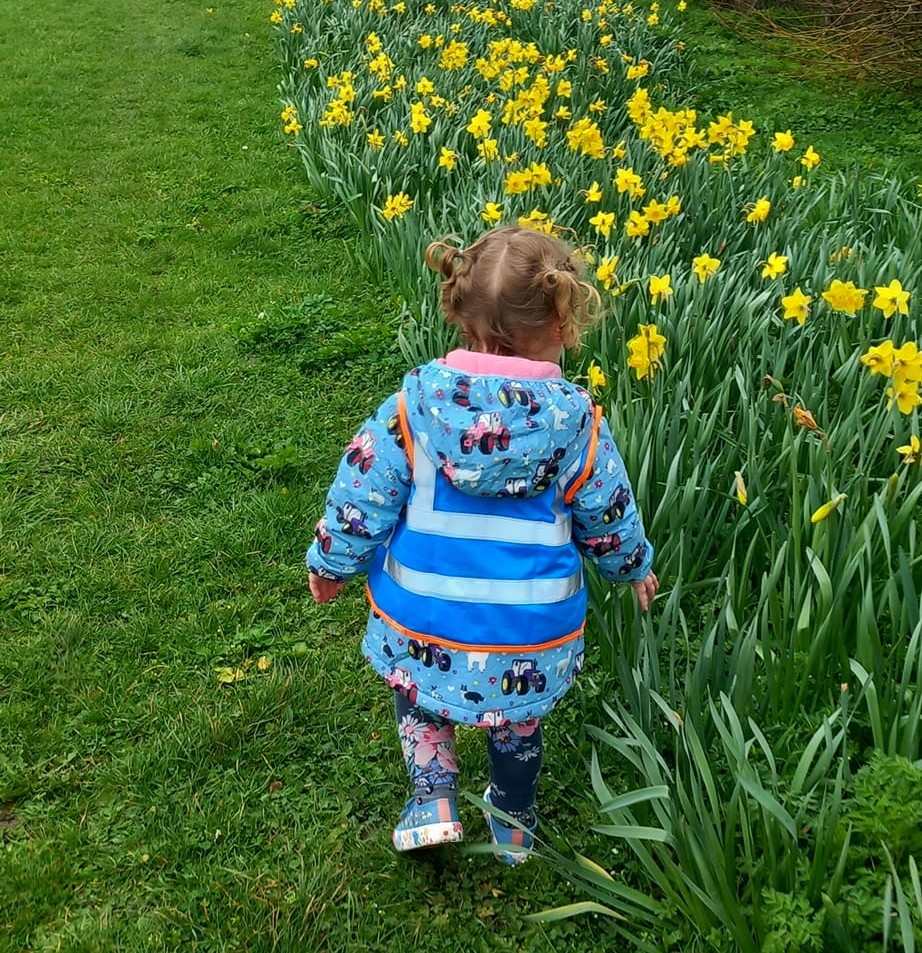
Children are encouraged to engage with their local community and area through:
-
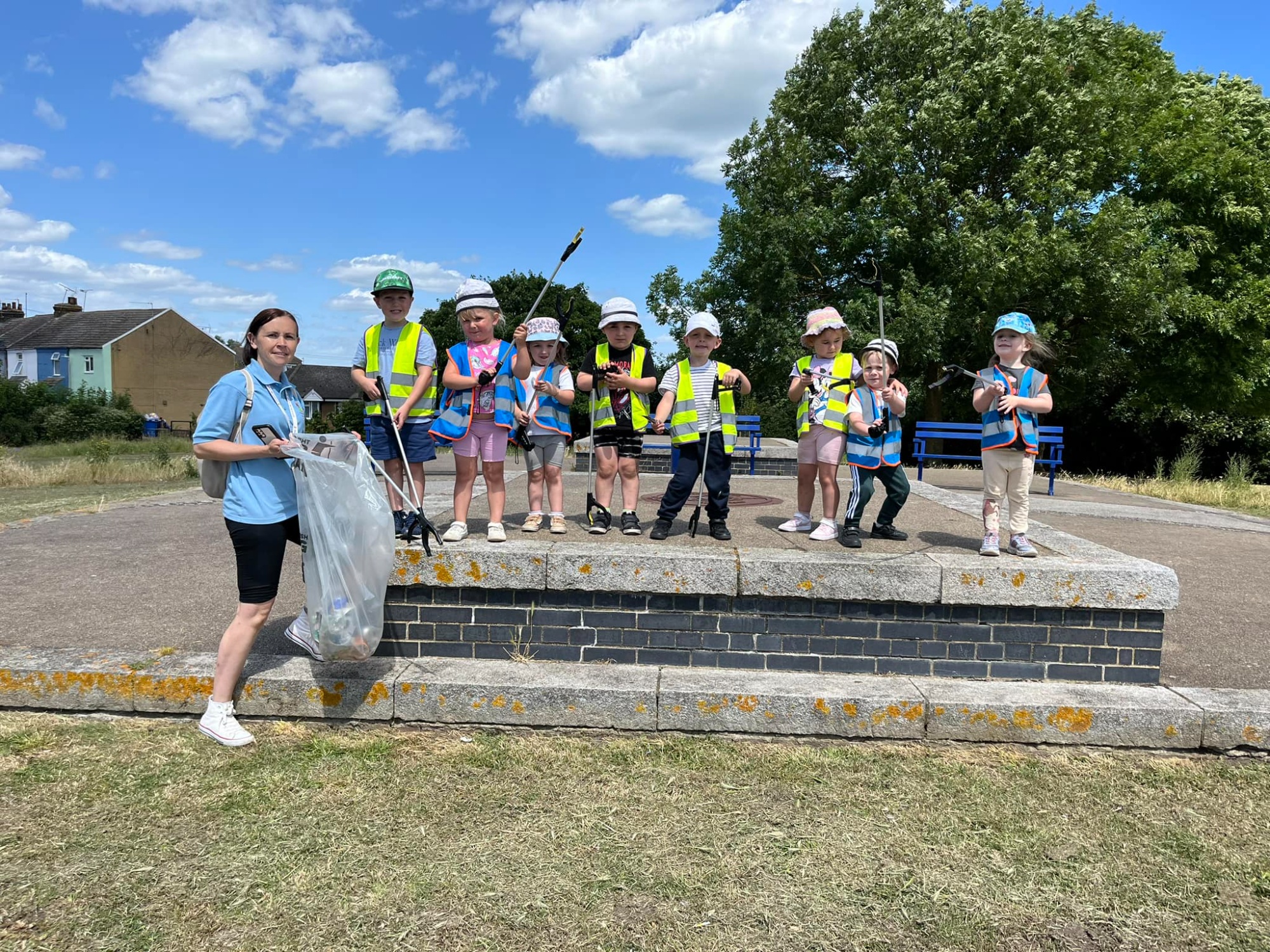
Community walks and clean-up events.
-
Partnerships with local councils and environmental groups.
-
Learning how our setting supports the local community to be more sustainable, such as food bank contributions and community projects.
5. Monitoring & Evaluation
Reflection & Improvement
We regularly:
-
Conduct sustainability audits.
-
Gather feedback from staff, parents, and children.
-
Review our practices to improve environmental impact.
Recognition
We celebrate achievements through:
-
Reward systems for sustainable behaviour.
-
A “Green Wall” displaying progress and successes.
Conclusion
Our Sustainability and Climate Change Plan ensures that children:
-
Learn where their food comes from.
-
Explore nature freely.
-
Care for wildlife.
-
Use resources responsibly.
-
Understand how they can make a positive difference.
By embedding sustainability into daily practice, we empower children to become confident, environmentally responsible individuals who care for their world — now and in the future.